Modelling Rebars for bridges
Workflow for reinforcement modelling in Tekla Structures using Grasshopper
Modelling Rebars for bridges
Introduction
Civil Infrastructures models are often defined by the road axis. BIM softwares begin to consider this requirement but for detailing workarounds are still needed.
The process of parametric modelling of the geometry and reinforcement of a curved sloped bridge deck is to be developed next. The inputs are CAD sketches and different data in text files. Within Rhinoceros and Grasshopper the parametric model of geometry and reinforcement is achieved. Last step is to bake it into Tekla Structures (TS): geometry, Rebars and all the attributes.
Geometry generation
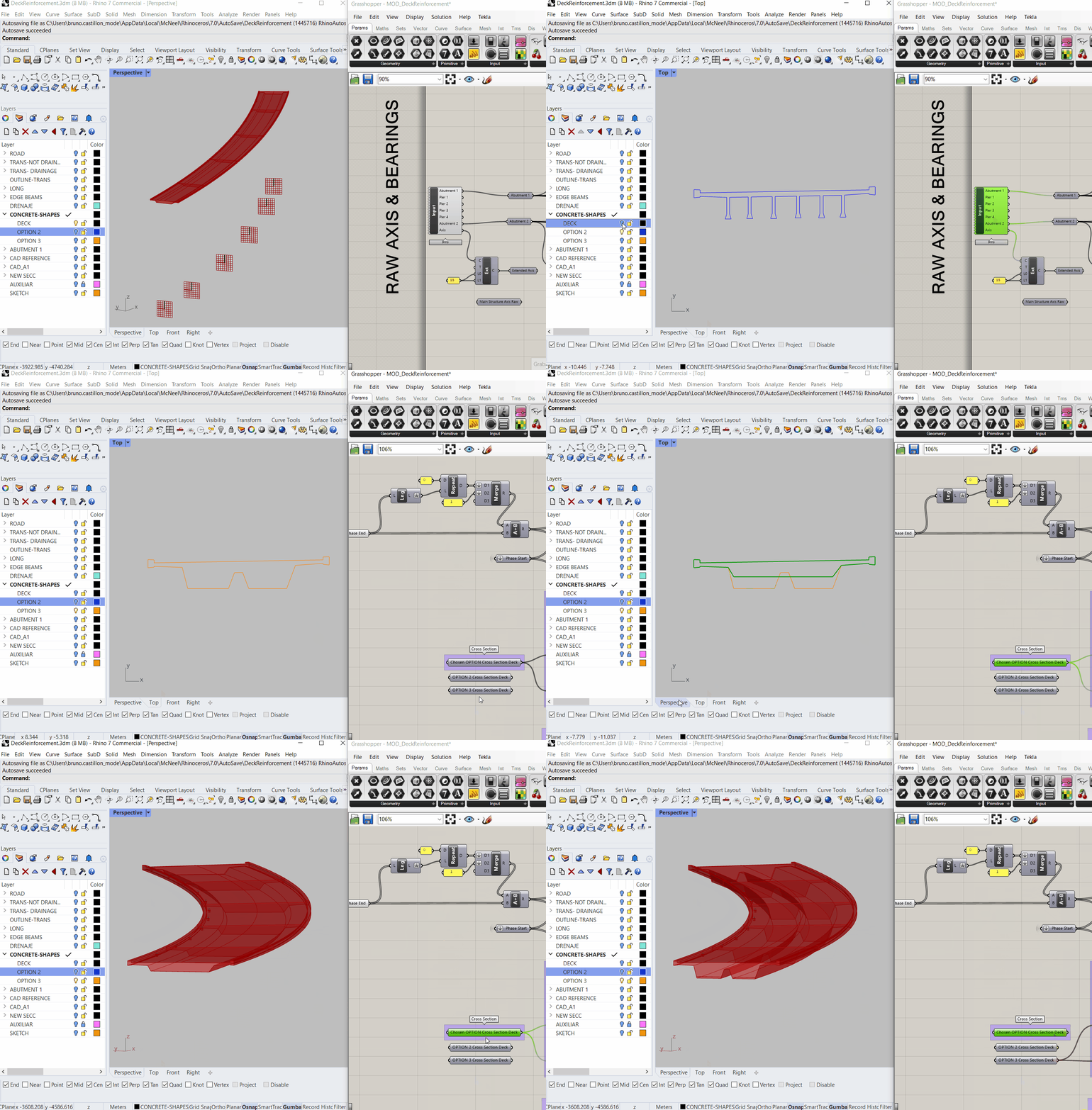
The following gif shows the whole flow for modelling: upload of inputs (CAD and text files), Rhinoceros parametric model. Transferring the model to TS is immediate through the Tekla link.
Rebars Generation
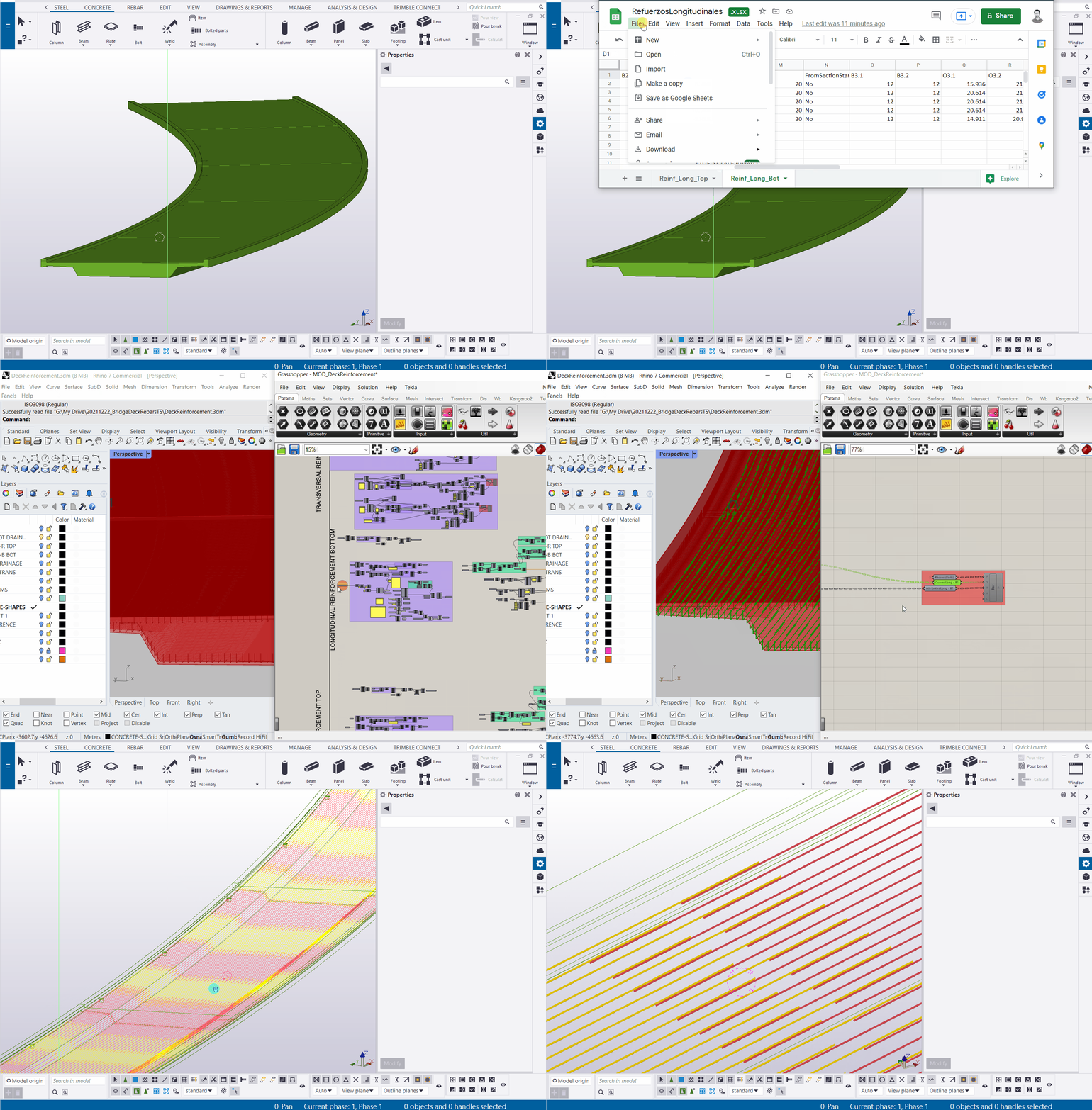
Next step shall be the rebars generation. The rebar splices and diameters are defined by sections in a sheet. Saving this information in CSV format allows the Grasshopper script to read it. The position of rebars is taken from the initial CAD, as well as the geometry.
Rebar detailing
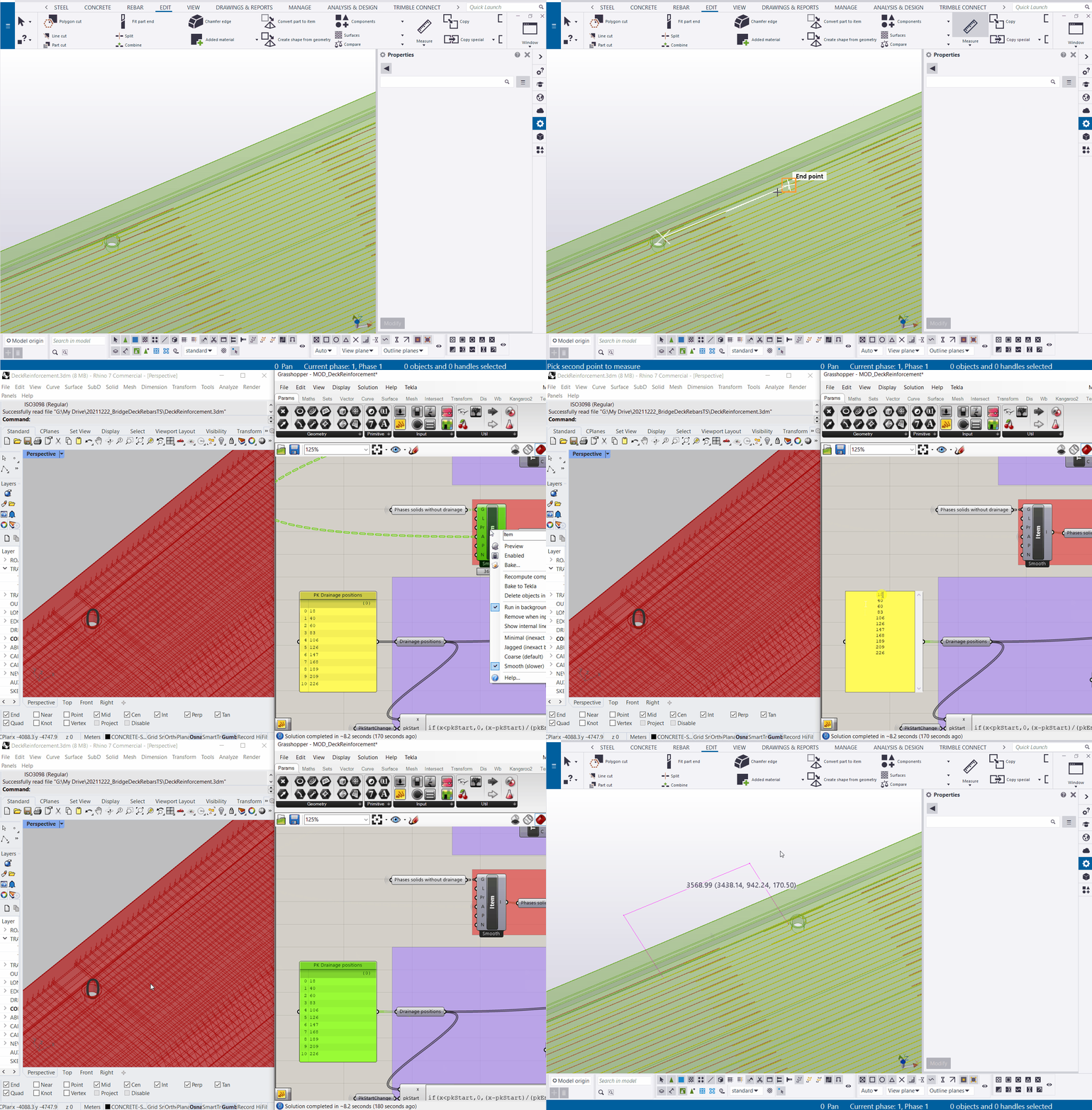
Automatization was used for the rebar detailing with repeated elements like drainage or barrier posts. This allowed us to deliver an agile and consistent response to changes. The following image shows the change in position of a drainage gully to avoid the overlapping area of longitudinal rebars.